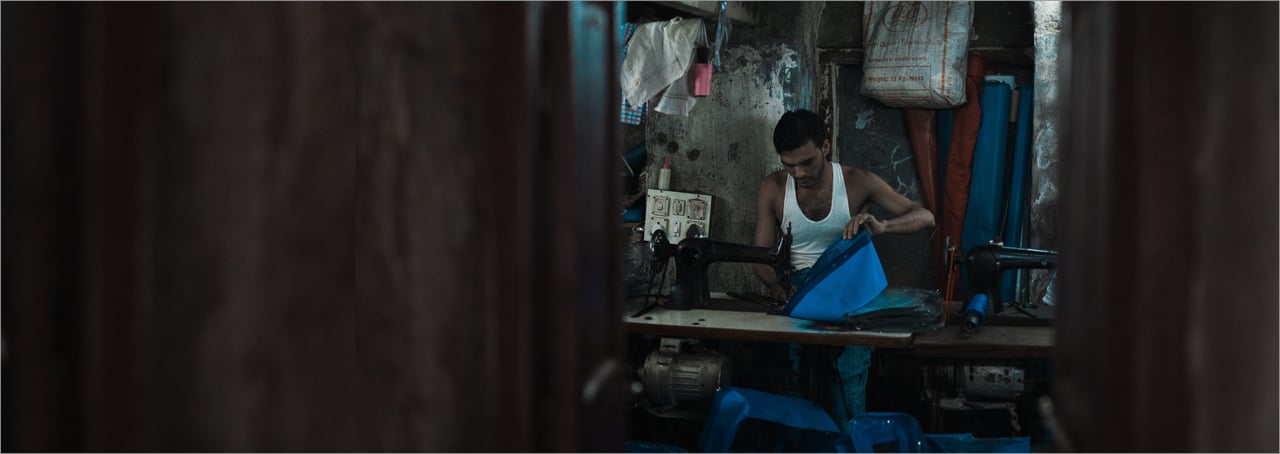
Labour Trafficking
Slavery is illegal almost everywhere – but today, millions of children, women and men are trafficked and trapped in forced labour slavery around the world.
Traffickers and slave holders use deception, threats or violence to force vulnerable people into grueling labour or sexual exploitation for little or no pay. Individuals trapped in labour trafficking are often denied life necessities like adequate food or sleep. They are even prevented from leaving for school or urgent medical care.
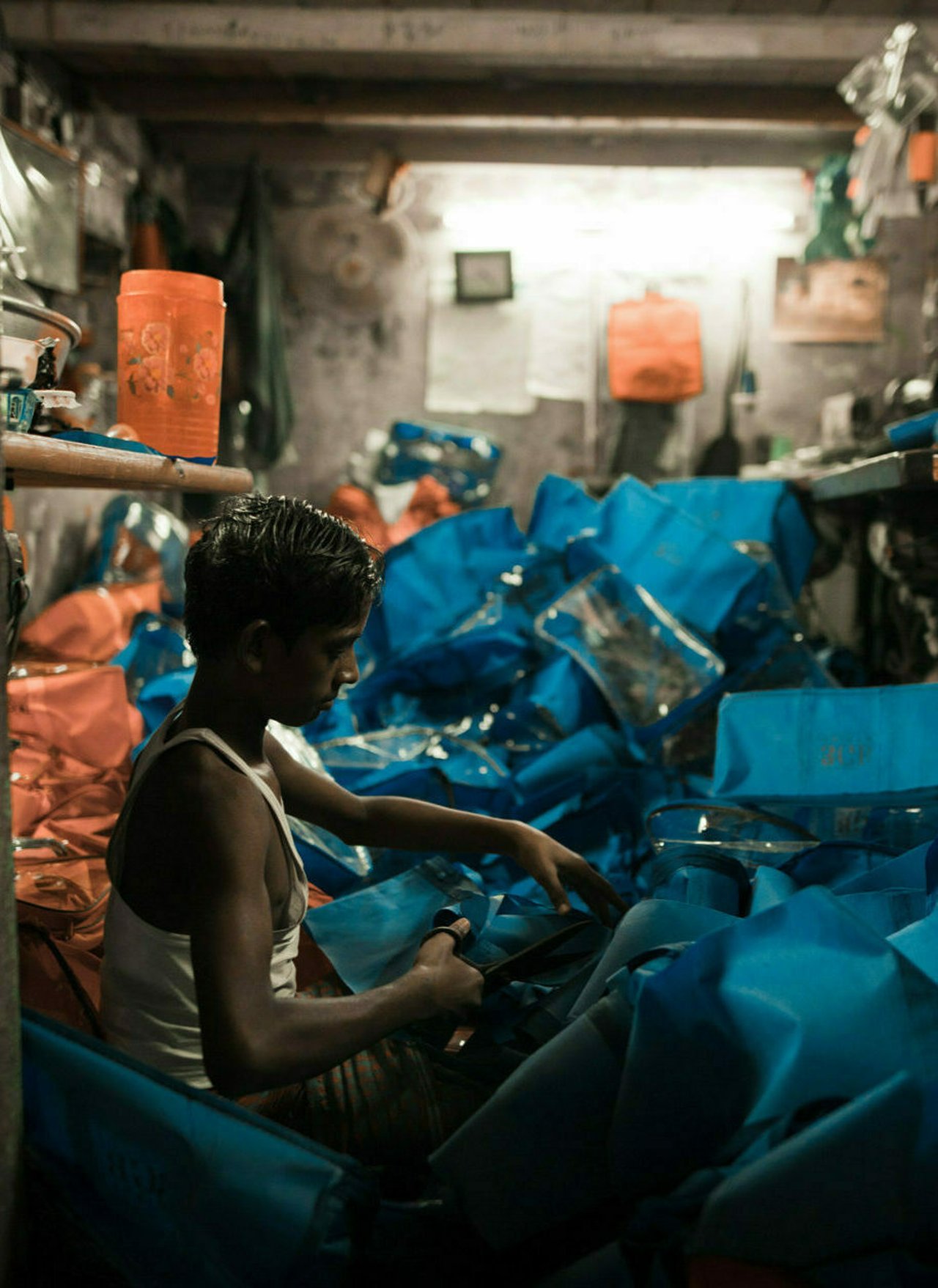
In India, entire families are enslaved working in brick kilns, rice mills, garment factories and other places—some up to 20 hours per day. In the Dominican Republic, traffickers lure vulnerable women and children into sex trafficking with promises of school or a job, but then force them to sell their bodies over and over again. In the Philippines, the live-streaming of sexual exploitation – often involving very young children—is on the rise in the digital age.
-

False debts are commonly used to trap labourers in a cycle of debt that is by design impossible to pay back. Small advance payments accrue interest faster than it can be paid.
-

1 in 4 victims of forced labour trafficking is a child.
-

90% of forced labour takes place in the private economy — homes, businesses and supply chains.
Our Solution
A Proven Community Protection Model
Though forced labour trafficking is illegal, the law is often not effectively enforced. Criminals expect no consequences, so they continue to enslave and abuse vulnerable people.
But when perpetrators face accountability for their actions, crimes are significantly reduced. The result? Safer communities where people can expect to be protected from exploitation and forced labour slavery.
Our Response
IJM combats forced labour trafficking in Cambodia, the Dominican Republic, Ghana, India, Myanmar, the Philippines, Romania and Thailand.
We don’t stop at rescuing people from violence and exploitation. Our goal is to take holistic action towards building a safer future by preventing violence from happening in the first place.
Together with our partners, we:
-

RESCUE VICTIMS: We identify people trapped in forced labour slavery, partner with local authorities to conduct rescue operations and ensure every victim is legally emancipated and receives government support.
-

BRING CRIMINALS TO JUSTICE: We advocate for police reports to be filed against traffickers, and support prosecution of slave holders.
-

RESTORE SURVIVORS: We create individualized care plans for each person to respond to trauma and pursue dignifying jobs and educational opportunities.
-

STRENGTHEN JUSTICE SYSTEMS: We provide hands-on mentoring for law enforcement, government officials and partner organizations. We also create social demand and advocate with state and national leaders to make ending slavery a top priority.
Our Results
IJM has spent more than 25 years partnering with law enforcement and justice system officials to combat some of the worst forms of violence.
We have proven over and over again that strengthening justice systems to enforce the law deters criminals and protects people from violence. That's two and a half decades of progress that wouldn’t have been possible without your support and the help of IJM partners. Take a look at the impact we made together.
IJM-supported operations have had a major impact on cases of forced labour trafficking globally. This is our progress so far (as of 2021).
-
564
VICTIMS
RESCUED -
122
PERPETRATORS
CONVICTED -
194
SURVIVORS
RESTORED -
293
SUSPECTS
ARRESTED
FEATURED PUBLICATION
IJM's Justice Review is a compendium of studies of forced, trafficked labour commissioned by International Justice Mission.
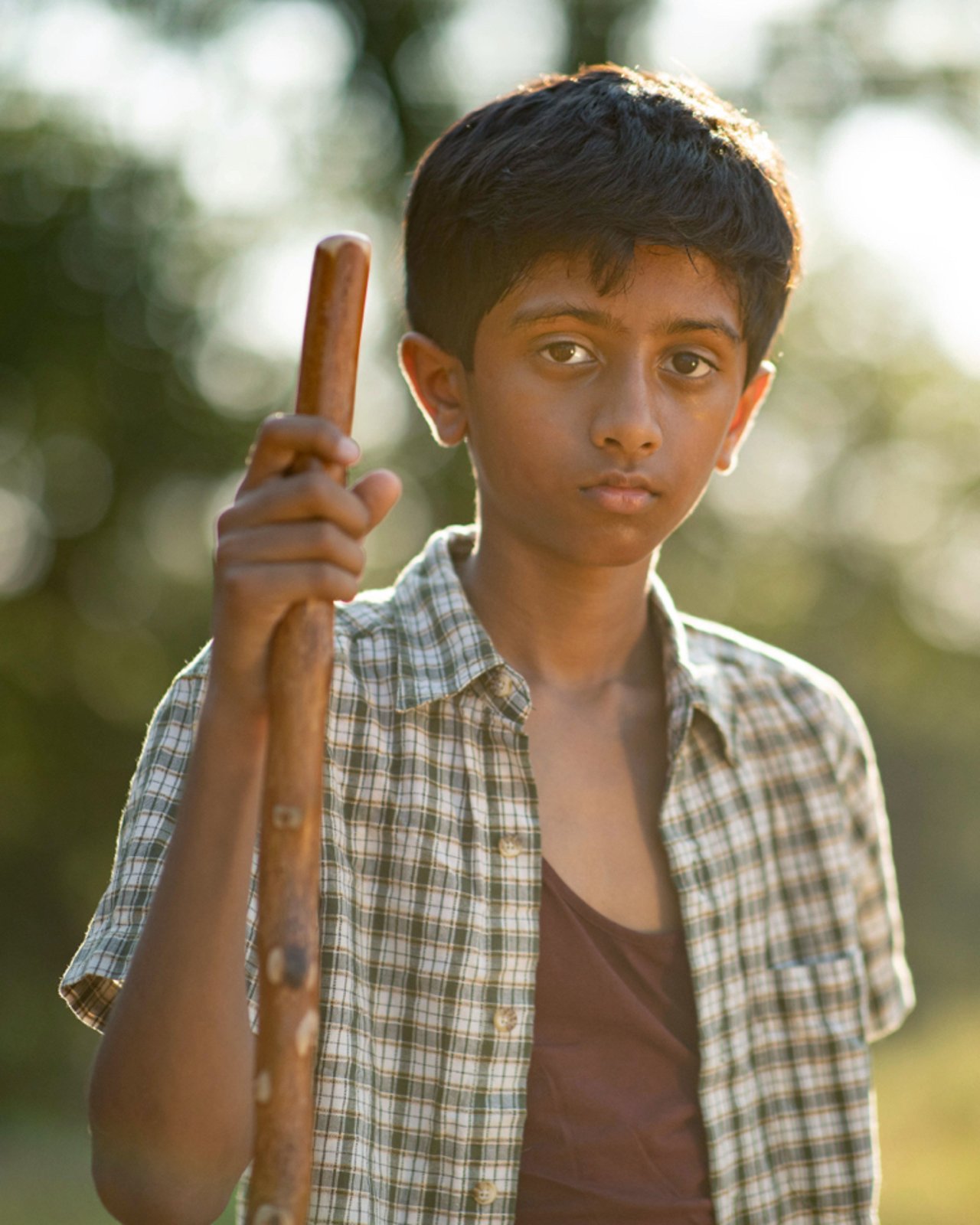
Meet Suriya
Before he was enslaved, Suriya loved to dream.
Like most ten-year-old boys, Suriya was a dreamer. If you asked him what he wanted to be when he grew up, his answer might change depending on the day. A famous singer, an artist, a policeman, a pilot, a cricket player. When he dreamed about his future, the sky was the limit. Nothing felt out of reach.
But Suriya didn’t know a storm was coming, and his life was moments away from falling apart.
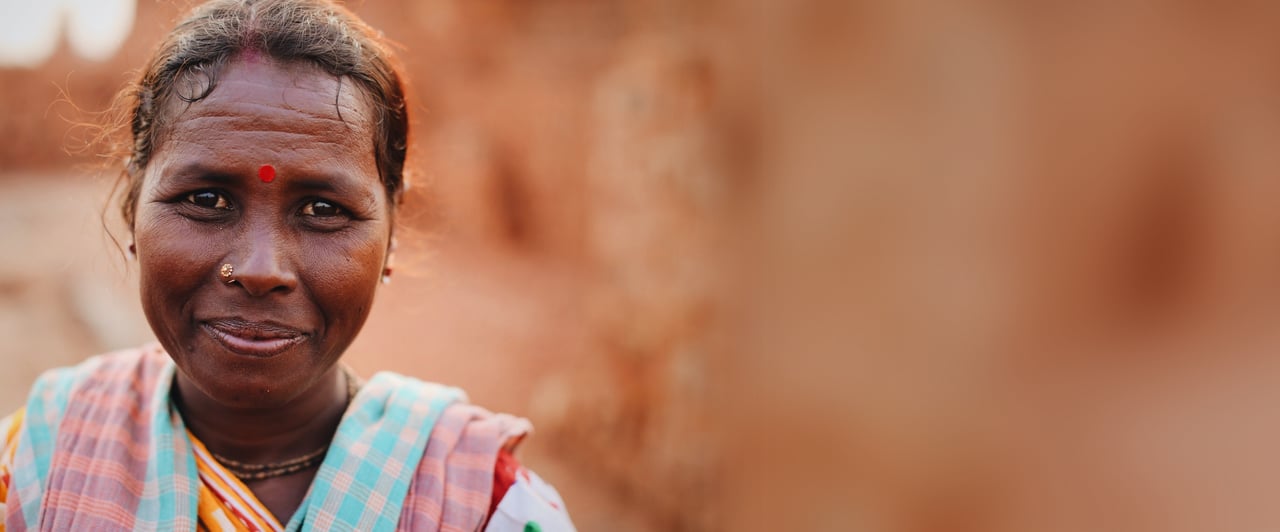
Help protect vulnerable people from labour trafficking
Many people are trapped in forced labour slavery today. Others have escaped and are trying to heal. More yet are vulnerable to being trafficked at any moment.
You can help change that.
Learn more about our Casework
-

Violence Against Women and Children
Women and children are particularly vulnerable to violence when no laws are enforced to protect them.
-

Domestic Violence
-

Sexual Violence
-

Slavery
Millions of men, women and children are trapped in modern-day slavery around the world.
-

Sex Trafficking
-

Labour Trafficking
-

Online Sexual Exploitation of Children
-

Forced Scamming
-

Police Abuse of Power
When police are free to misuse their power, vulnerable people are the ones who suffer from their violent actions and false accusations.