Survivor champions trauma-informed training in Guatemala
Summary:
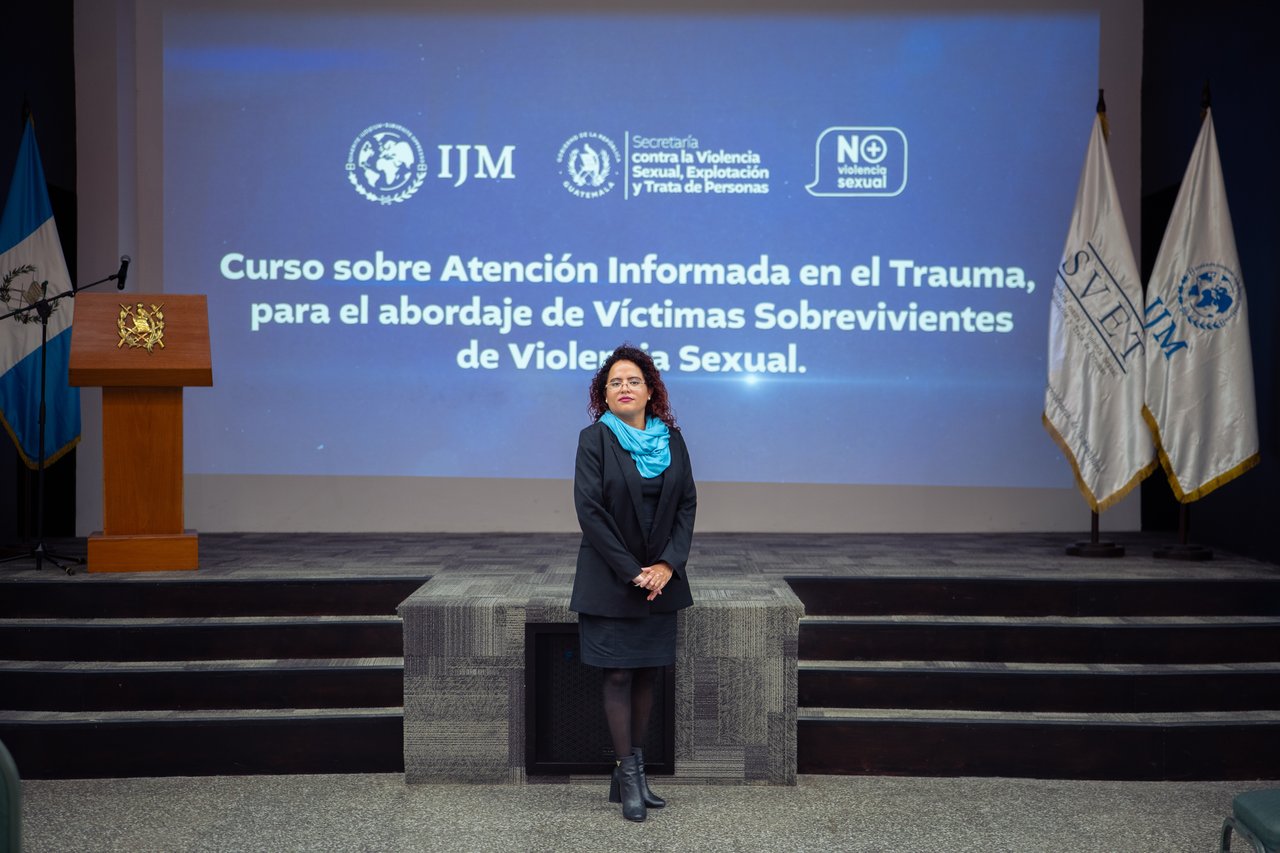
"Based on my experience, I recognize the importance of the justice system, victim-support institutions, and the community working collaboratively to ensure that justice is served effectively and without re-traumatization," shared Tati Navas.
Tati's testimony was central to the launch of a new trauma-informed care (TIC) online course developed by IJM in collaboration with the Secretary Against Sexual Violence and Exploitation (SVET), Guatemala’s leading public policy institution on this issue.
This course is designed for professionals and anyone who interacts with victims and survivors of violence against women and children (VAWC), especially officials in the Public Justice System (PJS). More than a training program, it represents a shift in mindset—one that survivors like Tati and the advocates of My Story Matters have long championed.
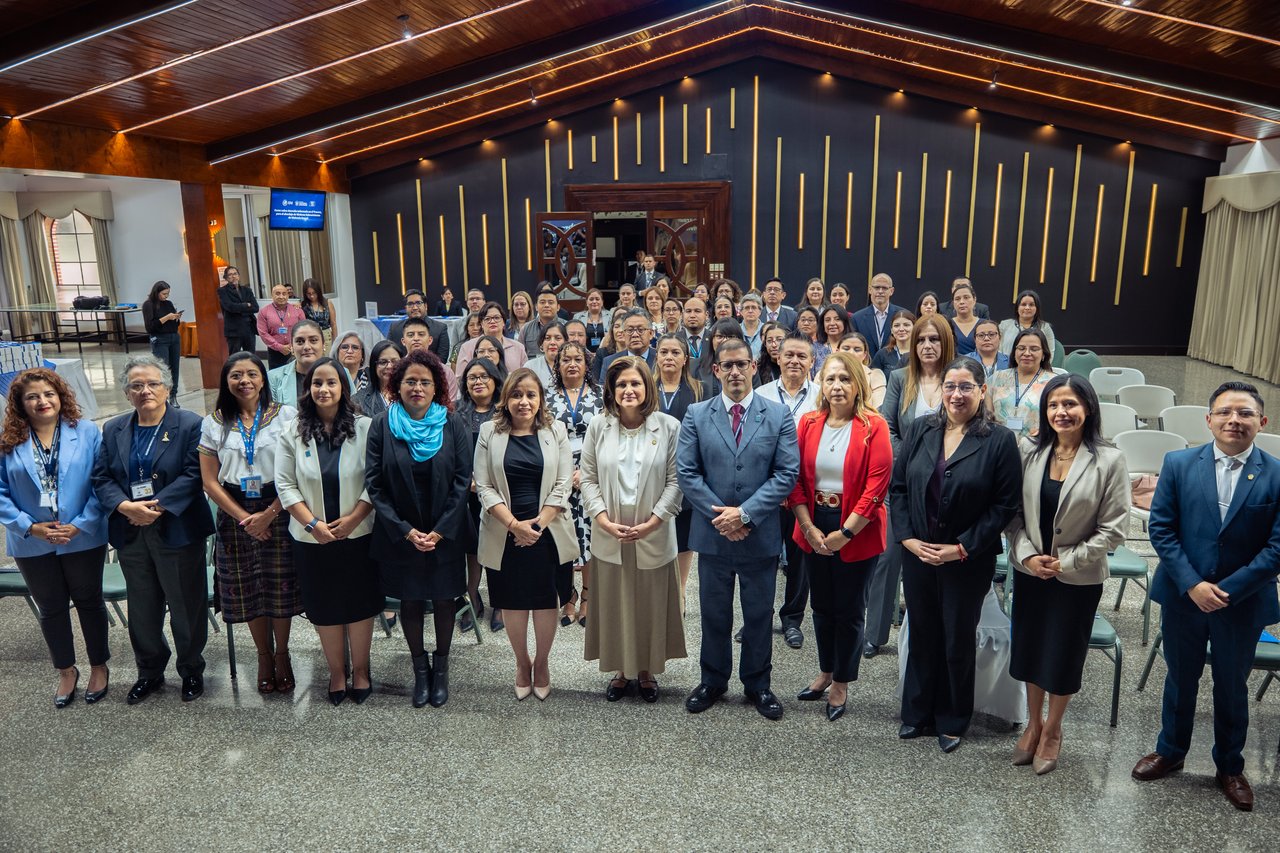
TIC training launching event attendees, including Karin Herrera, Guatemala's Vice President
A Country in Urgent Need of Change
In Guatemala, 128 cases of VAWC were reported daily during the first half of 2024 (Proyecto Mujeres Activas). While access to the justice system is critical for all affected women and children, Tati emphasizes that how victims are treated within this system is just as important:
"Not having trauma-informed attention is like not having justice at all. In my case, the lack of trauma-informed attention made a significant difference because I was questioned for not reporting the violence I suffered earlier."
Understanding Trauma Through a Survivor's Lens
Trauma is not just emotional pain; it disrupts memory, trust, and feelings of safety. For survivors like Tati, trauma can manifest in ways that are often misunderstood by justice officials: memory lapses, emotional withdrawal, inconsistent recounting of events, and delays in reporting due to fear.
"I was the one questioned for not reporting the violence I suffered earlier," Tati stated.
This misunderstanding can have devastating consequences, with officials interpreting trauma symptoms as untruthfulness, which can derail the legal process and discourage victims from pursuing justice.
Why Trauma-Informed Training Matters
The new trauma-informed care course aims to address this issue. It equips PJS officials and service providers with the tools to:
- Recognize trauma symptoms and respond with empathy
- Avoid re-traumatization during interviews and investigations
- Build trust and communication with survivors
- Support victims in a way that promotes healing and engagement with the legal process
Tati believes this training is a turning point: "I have seen how trauma-informed care provides valuable tools for officials who work with victims, helping them to be more empathetic, to avoid re-traumatization, and to listen without judgment or making victims feel guilty."
A Survivor's Vision for Justice
Tati's advocacy is rooted in her lived experience, but her vision looks forward. She envisions a justice system where survivors are not re-traumatized by the very institutions meant to protect them. That's why she called for the adoption of trauma-informed approaches to be adopted at the public policy level through the National Plan for Prevention and Eradication of Violence Against Women (PLANOVI):
"I believe it is important to acknowledge the need for the implementation of PLANOVI, with the support of His Excellency the President and Her Excellency the Vice President, as well as the commitment of each one of you [officials and aftercare service providers], your roles can contribute to making this a reality of hope for the victims."
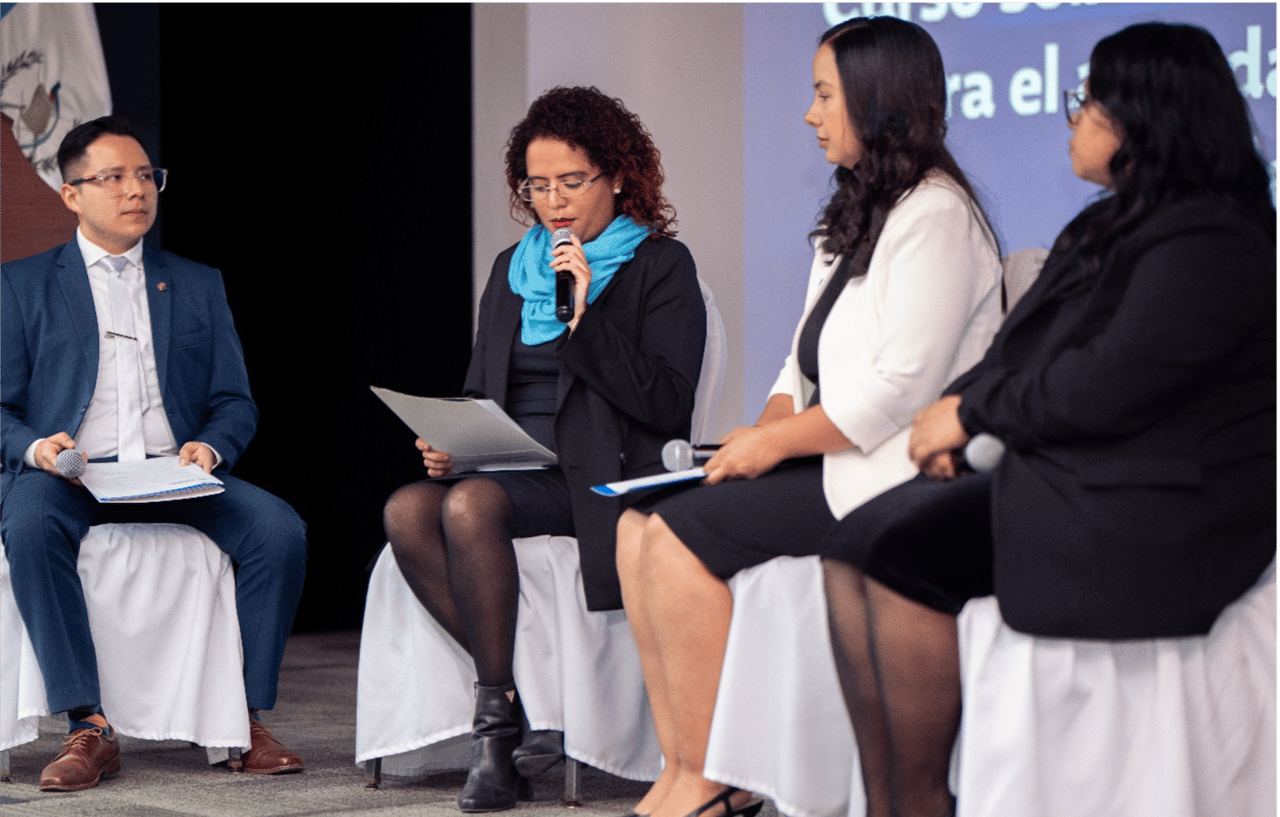
Tati’s voice is a powerful reminder that justice must be more than procedural—it must be compassionate, informed, and survivor-centered. With initiatives like the TIC course and the advocacy behind PLANOVI, Guatemala is taking steps toward a justice system that truly serves and heals.