More Than a Game
Caring for survivors requires more than an abundance of compassion. It also takes intention, creativity and a deep understanding of the nature of trauma.
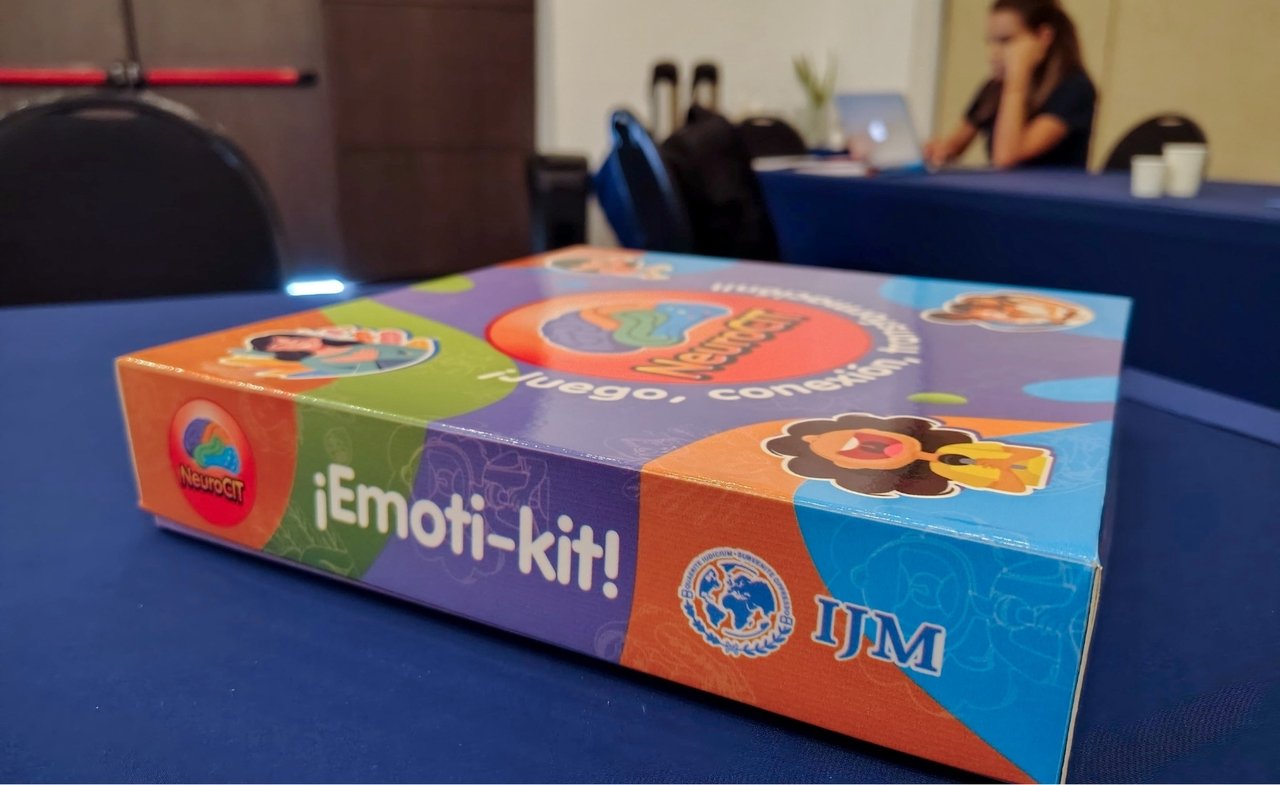
That’s what led IJM Colombia staff to design Neurocit, a simple but powerful board game that’s transforming how frontline workers respond to survivors of violence.
L. Sandoval, a trauma-informed care specialist and co-creator of the game, explains, “It’s about encouraging officers to slow down, stay aware of their bodies, drink water, breathe, and take moments of calm throughout the day. When they manage their emotions better, they make better decisions.”
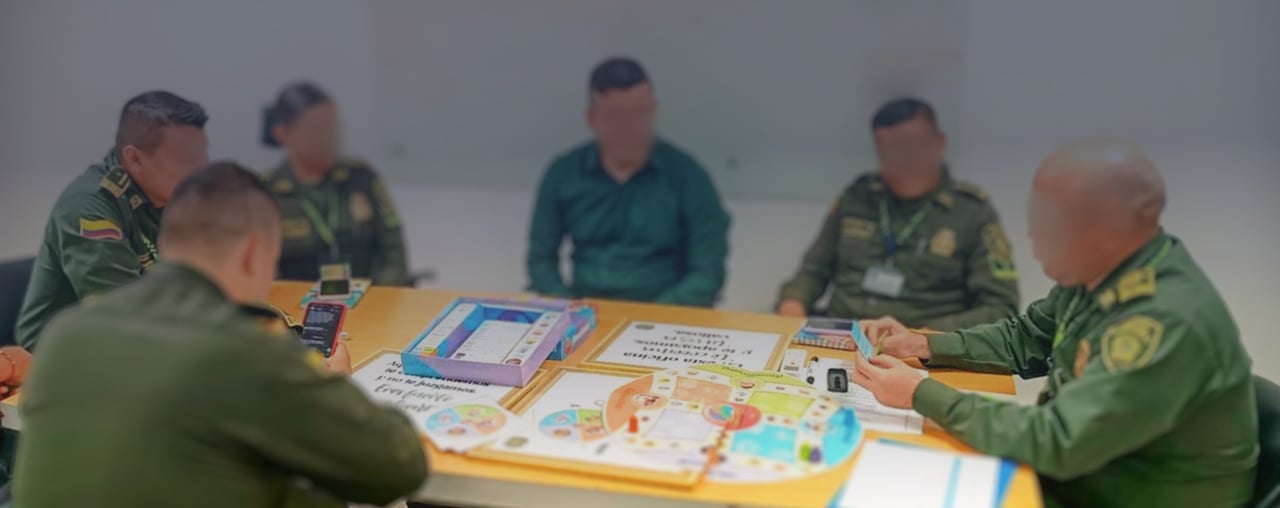
Neurocit invites players (including police, hospital staff, and social workers) to check in with their bodies and reflect on real-world scenarios. While one card might guide players to breathe deeply, another might ask how they would respond to a particular situation of abuse.
Sandoval recalls, “At first, they sat in their chairs, stiff and serious. But little by
little, they got into it. By the end, they were sitting on the floor in small groups, reflecting and sharing. When they saw that the scenarios in the game were based on
real cases they deal with, they realized how important it is for every institution to
know how to respond.”
Others are beginning to take notice of Neurocit. A hospital social worker now uses the game to help staff manage stress, while a psychologist has adapted it for the needs of her clients.
Neurocit is helping to build connections in spaces where trauma once
led to isolation. Thanks to the innovation of IJM Colombia staff, they’re creating a culture of healing for survivors and the people who are working
to protect them.
And when you give to IJM, you equip the people who care the most with the tools they need to protect and uplift survivors.